More charging cycles
Standard batteries are damaged when they are discharged below 50 per cent, and if deeply-discharged (0 per cent), they can lose around five per cent of their capacity. If this occurs multiple times, it is not long before the battery needs to be replaced. However, gel batteries are designed to manage deep discharges and can maintain capacity over 10-15 times more cycles compared to standard batteries.
Better in-cab comfort
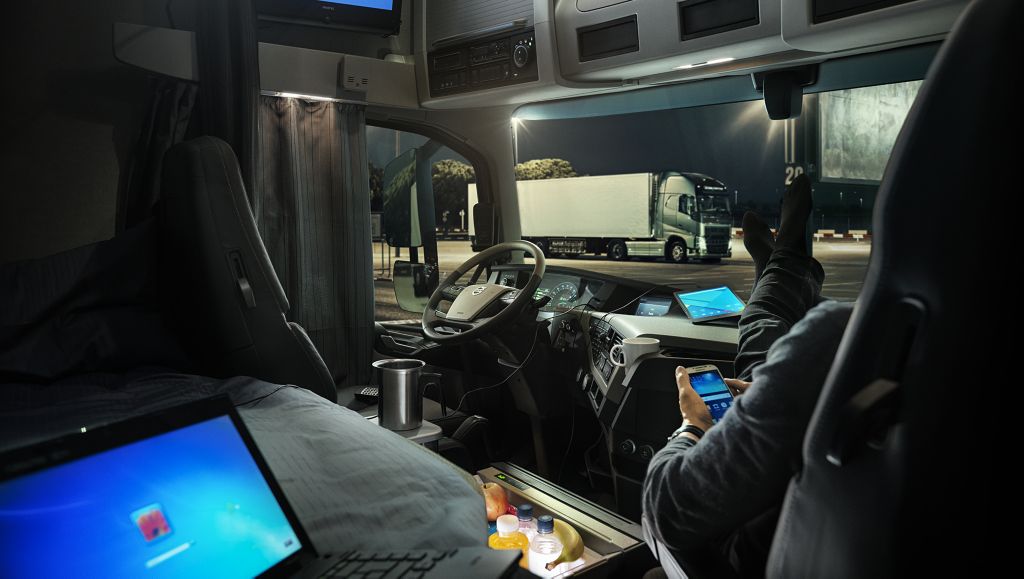
For the drivers, the dual battery system means they can enjoy all the comforts and conveniences of their in-cab electrical equipment, without being concerned about impairing the truck’s starting performance. For instance, they can enjoy a full night’s sleep with their parking heater and not have to get up and start the engine in the middle of the night in order to recharge the batteries.
Saving fuel and the environment
For many drivers, the solution for managing battery power is simply to leave the engine on overnight. This consumes around three litres of fuel per hour. Given how long a truck typically stops overnight, and the number of nights away, this quickly becomes a lot of fuel and a high cost just to heat the cab – not to mention unnecessary carbon emissions.
Fewer unplanned stops
When standard batteries are drained, the first function lost is engine startability. However, with the dual battery system, this is the last function to go. Instead, all auxiliary appliances will gradually shut down first, which combined with critical alerts for the driver, will ensure ample warning before startability is threatened. Overall, this greatly reduces the risk of standstill due to discharged batteries.
Securing startability in cold conditions
Cold temperatures greatly diminish battery capacity, and a fully discharged battery will freeze at -5°C (in comparison a fully charged battery can withstand temperatures down to -70°C). The dual battery system, with its separate starter batteries, maintains startability even during severely cold conditions.
Recharge faster
Gel batteries can not only recharge over more cycles, they also recharge up to 50 per cent faster than conventional batteries. This is greatly beneficial for trucks that have frequent stop-start drive cycles that do not allow for their batteries to be fully charged.